
Phase 1 Orthodontics Oklahoma City
Timely Care for Young Smiles

While braces and other types of orthodontics are often portrayed as something for teenagers, the truth is that treatment can start much earlier than adolescence. In fact, this interceptive approach, known as phase 1 orthodontics, is often the best way to minimize the risk of many problems later in life. What exactly is phase 1 orthodontics, and does your child need it? Continue reading below to discover useful information, or contact our Oklahoma City practice directly to request a consultation for your child.
Why Choose Casady Square Orthodontics for Phase 1 Orthodontics?
- Team Led by Highly Skilled Orthodontist
- Child-Friendly Office and Support Team
- Prevent Dental Problems Later in Life
How Phase 1 Orthodontics Works
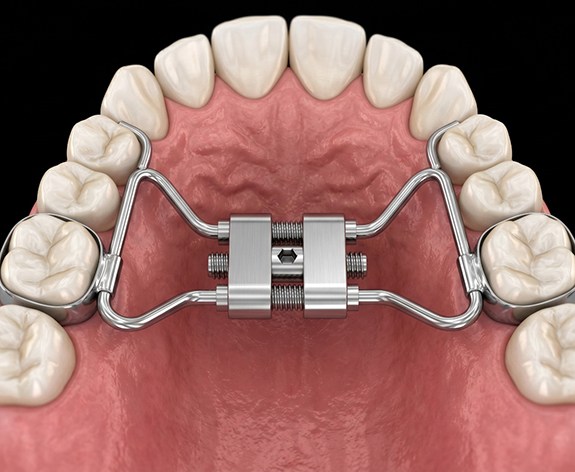
Phase 1 orthodontics is all about guiding the growth of the oral structures in order to prevent future problems and reduce the need for additional treatment down the road. Therefore, it usually starts when a child is 6 – 9 years old, typically when they are just starting to lose their baby teeth.
Treatment might last 6 – 18 months and may involve braces or a range of different appliances, such as:
- Headgear to adjust the alignment of the jaws as they grow. Headgear is often used in conjunction with braces.
- A Herbst Appliance or other specialized devices that can help align the bite and contribute to dental arches that are big enough to accommodate a full set of teeth.
- Palatal expanders to widen the upper jaw.
- Space maintainers to protect the positions of adult teeth that have not yet erupted.
Who Is a Good Candidate for Phase 1 Orthodontics?

All children should visit an orthodontist in Oklahoma City by the time they reach 7 years of age or so for a thorough evaluation. During this appointment, our team will analyze the positioning of your child’s teeth and jaws, take X-rays as needed, and advise you on your next steps.
Here are some indications that your child might need phase 1 orthodontics:
- Their teeth are visibly crowded, overlapping, or oddly spaced.
- They have a noticeable malocclusion, such as an underbite or overbite.
- They engaged in prolonged thumb- or pacifier-sucking during their younger years.
- They have problems with speaking or eating, or they snore frequently during sleep.
The Benefits of Phase 1 Orthodontics

Phase 1 orthodontic care offers some impressive benefits:
- Reduced need for future care: Timely treatment may mean that additional orthodontic treatments, such as braces, are much more limited and faster than they would otherwise be.
- Reduced likelihood of surgery: By promoting healthy jaw growth, phase 1 orthodontics might spare your child from invasive procedures.
- Fewer dental problems: Well-aligned teeth and jaws promote good oral hygiene, which can reduce the chances of painful and expensive dental problems, such as cavities, gum disease, and more.